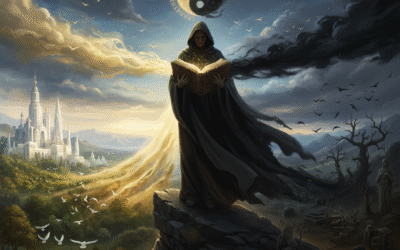
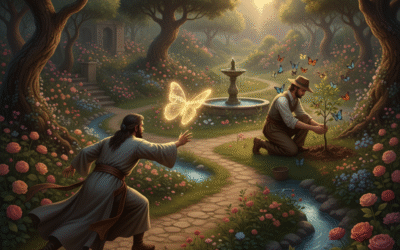
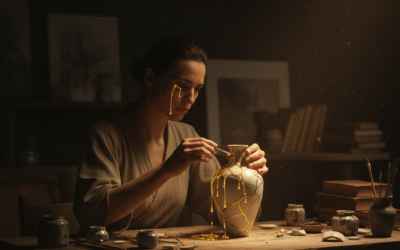
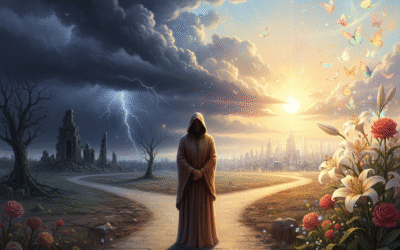
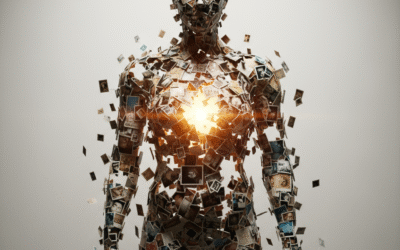
We're indoctrinated with the notion that knowledge is power, and that education leads to freedom and happiness. That's the foundation of society today: the more you know, the more powerful you become. Schools, libraries, even the computer are all institutions working...
The CogiEra Blog
The Paradox of Freedom: Is True Freedom Unbearable?
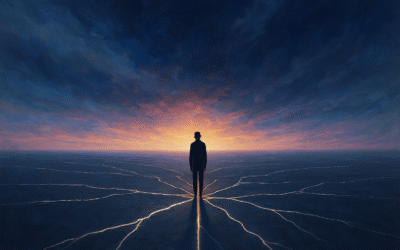
Freedom is a term that somehow possesses an electricity. We first read it and feel as if it is a promise: the promise of self, of possibility, of living on our own terms. Nations are based on it, revolutions are ignited in its name, and parents vow it to their...
The Ethics of Knowledge: Should All Knowledge Be Pursued, No Matter the Cost?
Knowledge has always been mankind's ultimate goal. From the earliest cave drawings to modern scientific advances, our species has been spurred on by curiosity, the persistent desire to understand the world around us. But with curiosity also comes a tough question: is...
The Illusion of Individuality: Are We Truly Unique, or Re-combinations of Universal Patterns?
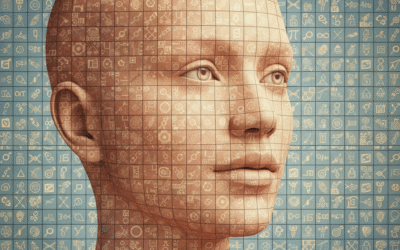
We're typically reminded that we're unique, one of a kind, distinct from everyone who's ever lived. It's a comforting idea, one which gives value to our lives and makes us expressive. We're encouraged as kids to "be ourselves," to be honest, to be unique. But...
The Philosophy of Shadows: Do Shadows Reveal More Than Light Does?
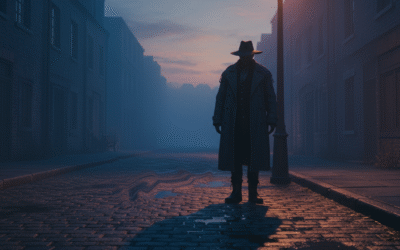
Light appears most frequently as a metaphor for truth, knowledge, and light. Western philosophy since Plato's cave has employed light as a representation of knowledge and darkness for ignorance or confusion. But shadows, those dark and shadowy things that appear only...
The Paradox of Happiness: Is the Pursuit of Happiness the Surest Way to Destroy It?
Happiness has been the most fundamental human desire across the globe. All philosophy, religion, and culture have grappled with how to live well and how to become happy in some way. Yet, a paradox is formed when one asks: does the search for happiness actually hinder...
The Aesthetic of Suffering: Why Do Humans Find Beauty in Tragedy?
Tragedy has always been strangely attractive. From Greek and Shakespearean tragedy to opera and film, people hunger for tales of pain, loss, and misery. But why do we value ugliness? Why is labor born of suffering so much more real than labor born of happiness?...
The Future as Fiction: Do We Live by Stories of the Future Rather than Realities of the Present?
We are creatures of time, yet in a much deeper way, we are creatures of narrative. We're bound by memory in the past, by sensation in the moment, but it's in the future that our imagination truly comes alive. That's where we put our desires, hopes, and fears. But...
Identity and Memory: Are We Still Ourselves Without Memory?
Here's a question that actually makes you wonder: are you who you are bound up in your memories? To ask seems to be at the very root of what it means to be human. I mean, memories aren't really histories of what occurred, are they? They're the bricks of everything,...